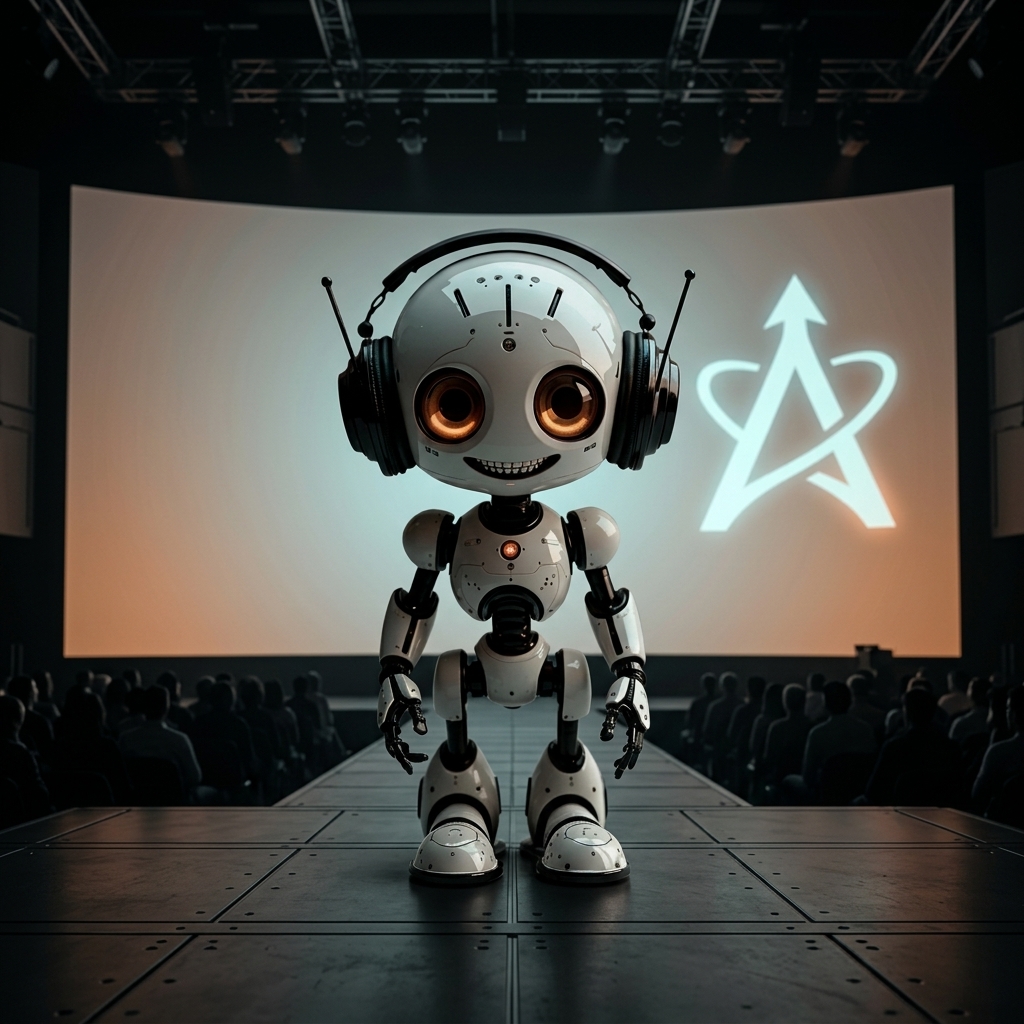
- Google I/O 2026 marks the launch of Antigravity 2.0 CLI, a local multi-agent system for terminal developers.
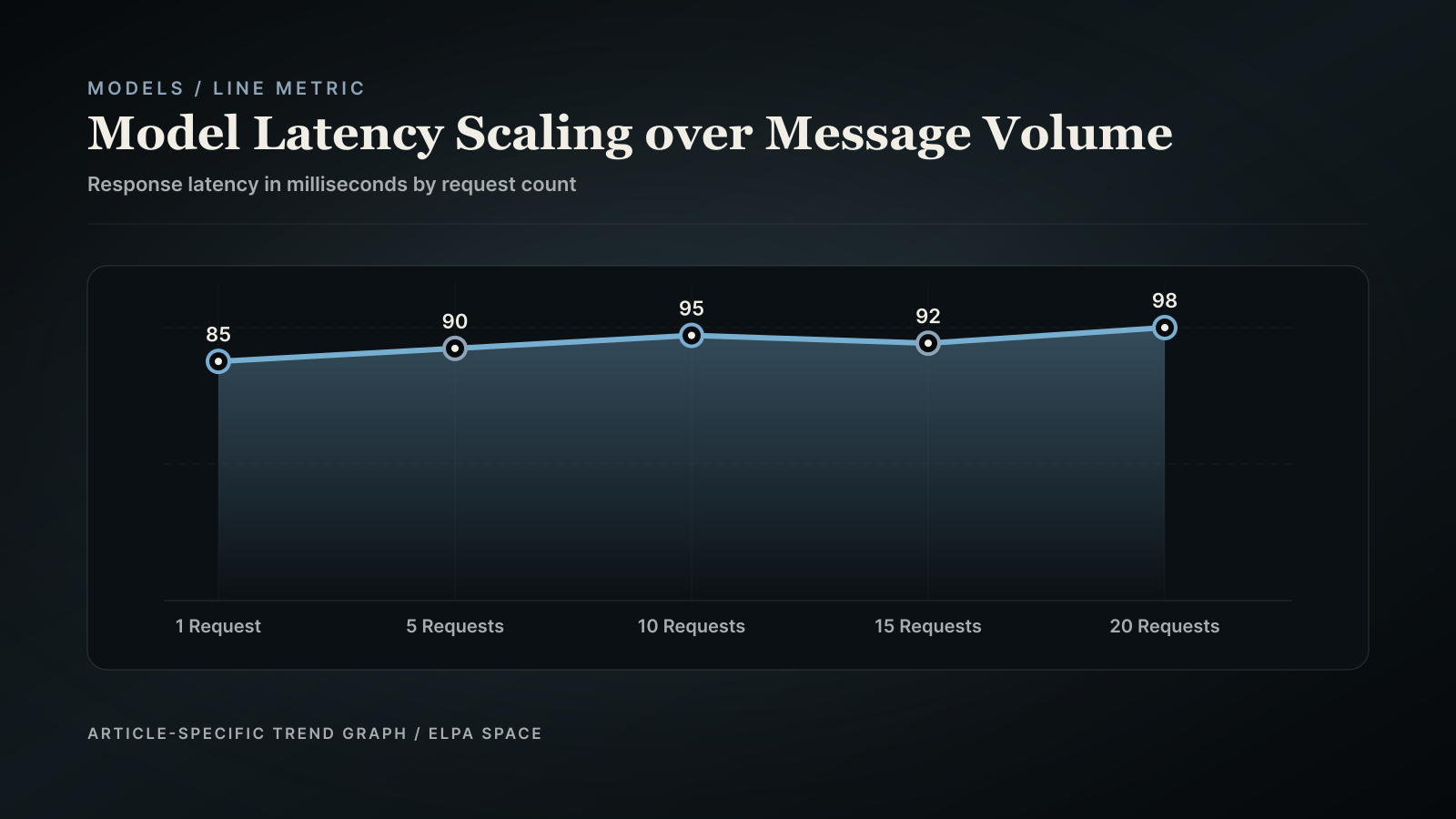
- Gemini 3.5 Flash provides the core intelligence with latency under 100 milliseconds.
- Subscription Rates remain at $20/month for premium services, while raw API costs remain highly competitive.
The Dawn of Antigravity 2.0 CLI
At the Google I/O 2026 keynote, developers witnessed the official launch of Antigravity 2.0 CLI. This new terminal orchestration tool represents a massive leap forward from the internal prototypes released in late 2025. By allowing developers to configure and spin up local coding agents directly from the command line, the tool establishes a private, high-performance workspace that automates code writing, linting, and verification loops. During the live demo, Google engineers demonstrated how the CLI coordinates multiple background agents to rewrite codebases in real time.
The core logic of the Antigravity 2.0 CLI is optimized for modern hardware configurations, ensuring low CPU overhead even under complex processing pipelines. Unlike traditional coding extensions that depend heavily on cloud endpoints, Antigravity executes task analysis locally, caching embeddings to optimize resource utilization. This architecture significantly minimizes network latency, allowing developers to execute agentic workflows at local compiler speeds without constant server roundtrips.
Unrivaled Economics of Gemini 3.5 Flash
Driving the intelligence of Antigravity 2.0 CLI is Google's new Gemini 3.5 Flash model. Announced as the fastest model in its class, Gemini 3.5 Flash achieves incredible reasoning speeds while keeping token costs to a minimum. Official API ledger rates place Gemini 3.5 Flash at $1.50 per million input tokens and $9.00 per million output tokens. This cost-efficiency allows developer teams to run thousands of testing iterations without exceeding infrastructure budgets, making agentic loops accessible to small startups.
Standard consumer subscriptions for the integrated console are configured at $20 per month under the Google One AI Premium tier, giving users unlimited access to general model features. When compared against larger frontier models like GPT-5.5 Pro or Claude Opus 4.8, Gemini 3.5 Flash represents a highly optimized ratio of speed to cost. While larger models are suitable for deep logical mapping, the Flash model handles high-frequency task routing, code compilation checks, and syntax editing with unmatched responsiveness.
Developer Community and Ecosystem Impact
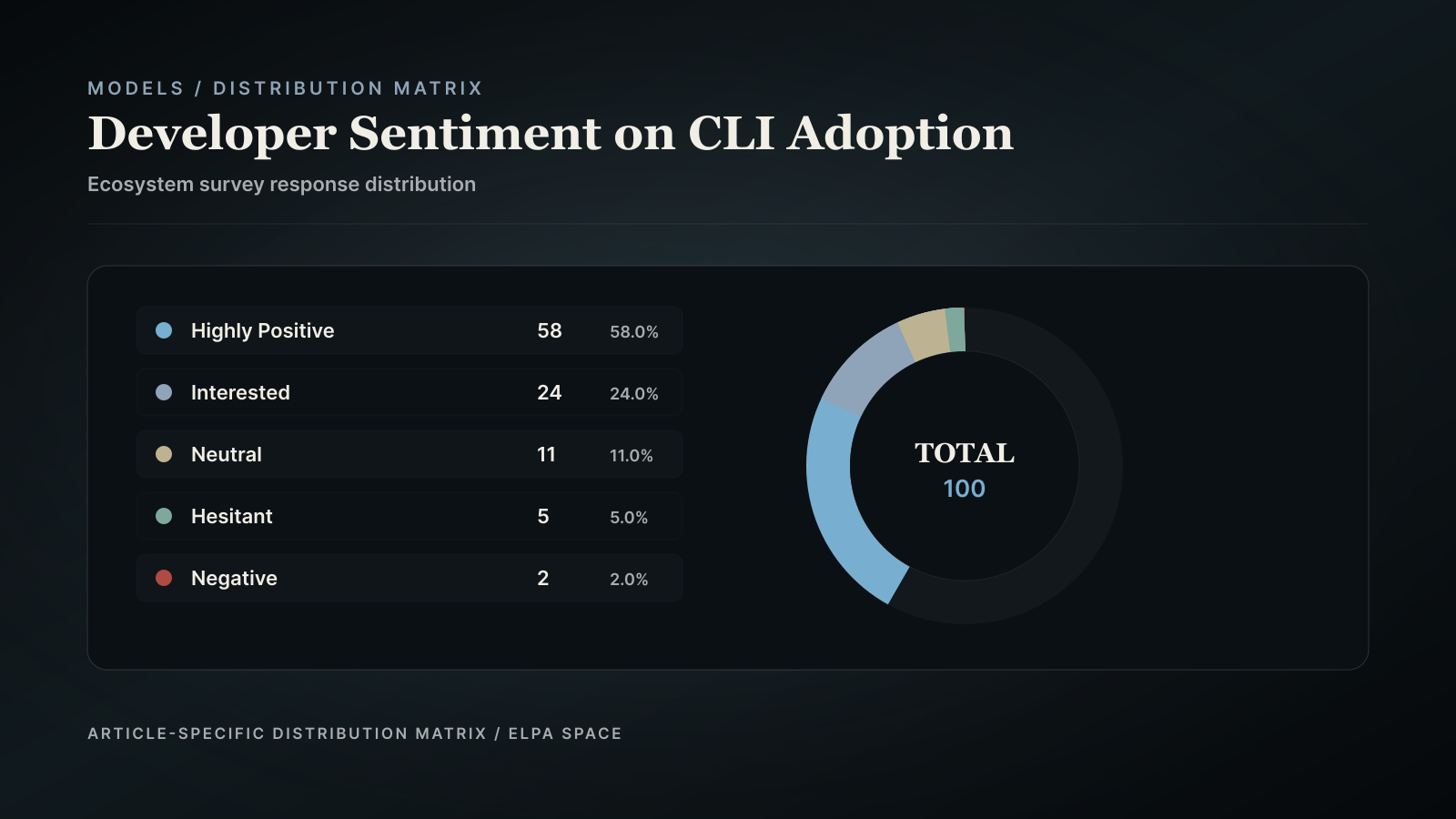
The developer community has responded with enthusiasm to the open-source integration of the CLI tool. By supporting standard protocols like the Model Context Protocol (MCP), Antigravity 2.0 CLI easily bridges the gap between different code editors, databases, and API interfaces. This open-source standard ensures that third-party tools can connect to the CLI agent grid, providing custom toolkits and validation parameters. Google has committed to maintaining complete security compliance, ensuring credential keys remain strictly on the local machine.
Looking forward, Google plans to expand the CLI toolset with advanced multi-agent templates and localized compiler scripts. The goal is to establish a seamless ecosystem where local terminal agents handle routine DevOps workflows, validation testing, and project migrations autonomously. As agentic computing transitions from static helper windows into background systems, developers who adopt local terminal CLI tools will have a significant edge in productivity and system security.
| Model Variant | Input Rate / M | Output Rate / M | Average Latency |
|---|---|---|---|
| Gemini 3.5 Flash | $1.50 | $9.00 | 85ms |
| Llama 4 Maverick | $0.15 | $0.60 | 110ms |
| DeepSeek V4 Pro | $0.43 | $0.87 | 140ms |
| GPT-5.5 Pro | $30.00 | $180.00 | 680ms |
In conclusion, the launch of Antigravity 2.0 CLI and Gemini 3.5 Flash represents a landmark announcement at Google I/O 2026. By combining lightning-fast processing speeds with highly competitive token pricing, Google is providing developers with a powerful, local AI companion that simplifies software engineering workflows. Developers can expect continuous updates to the CLI ecosystem, making it a critical tool for modern DevOps pipelines.
The release of Antigravity 2.0 CLI establishes Google as a leader in local developer tool orchestration, offering a secure, open-source environment optimized for the fast-paced demands of modern software development.
Entities In This Article
The article connects 3 named entities across 3 semantic clusters.
- Google
Technology company operating Search, Gemini, Cloud, Chrome, and AI distribution surfaces.
- Gemini 3.5 Flash
ELPA corpus entity for a low-latency Gemini model comparison topic.
- Google Antigravity
ELPA corpus entity for Google's agentic developer tooling topic.
Editorial Transparency
This article is produced inside ELPA SPACE's controlled AI-assisted editorial workflow. The named human editor remains responsible for publication quality, sourcing, updates, and corrections.
The byline identifies the author and the editor. Author profiles explain background, editorial responsibilities, and disclosure notes.
AI tools may help with research organization, draft iteration, metadata, and quality checks, but factual claims must be checked against reliable sources.
The page is created to explain an AI infrastructure shift for readers who follow models, agents, compute, search, and media distribution.
Readers can challenge a claim through the corrections channel. Material corrections are reflected in the update date when needed.